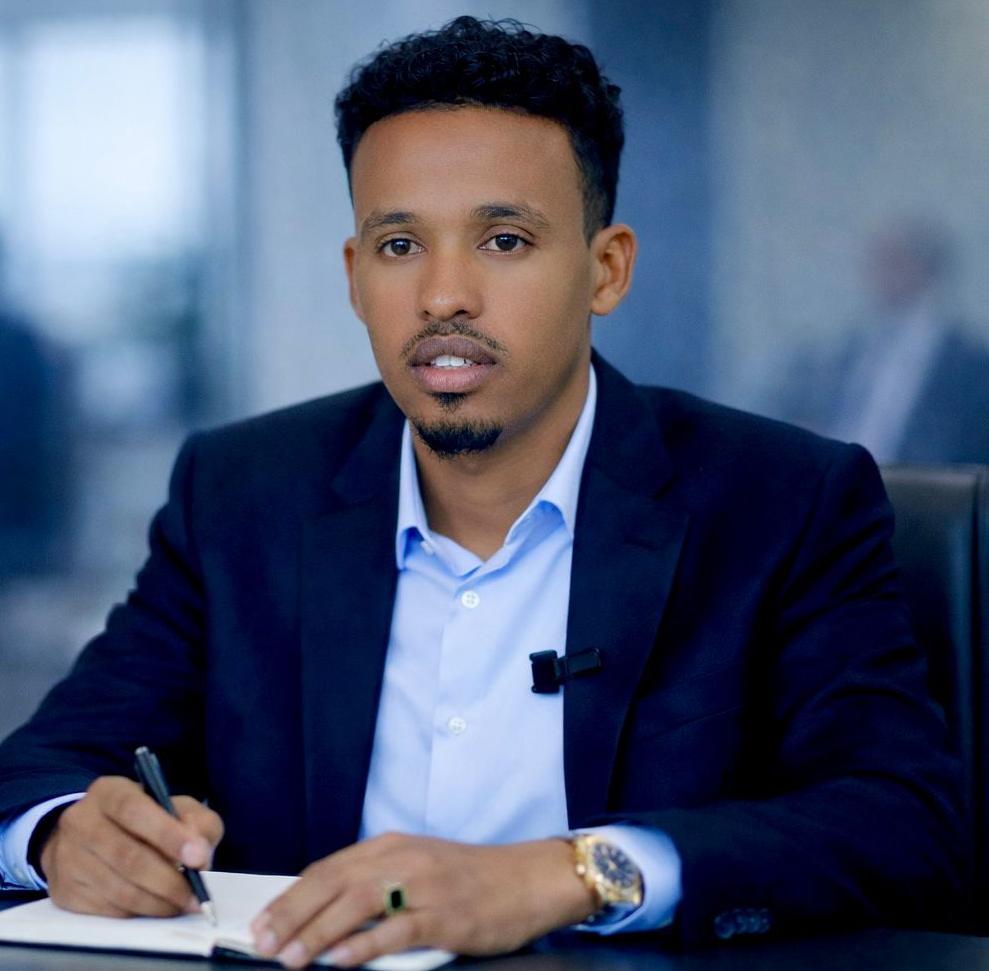
Nuur Maxamuud Cabdi, Head officer mmjxw
The Jigjiga City Administration Education Bureau, in strategic partnership with the Somali Regional Education Bureau, serves as the primary architect of the city’s educational landscape. Our mission is to transform lives by delivering inclusive, high-quality learning experiences, fostering pedagogical innovation, and ensuring that every student in the Jigjiga Council has the tools to succeed in a globalized world.
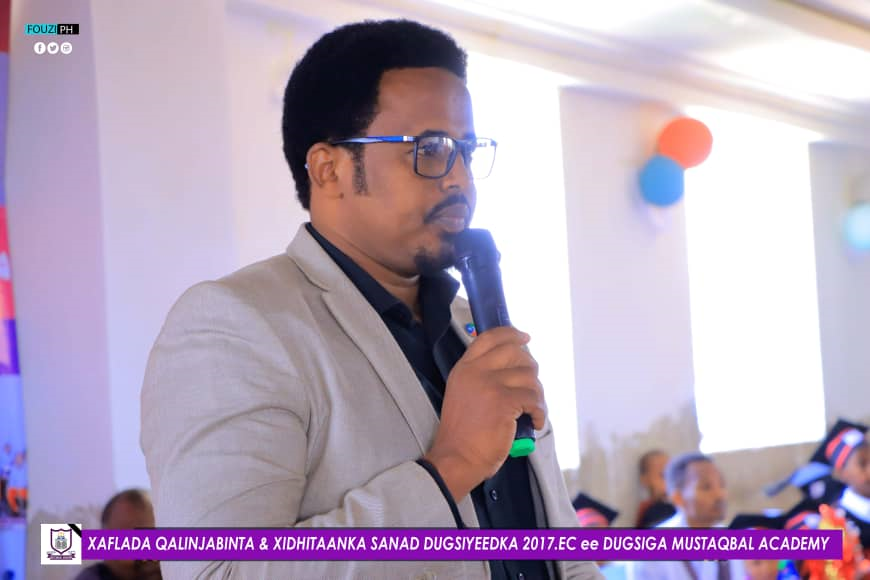
Aden Muhumed Ahmed
The Directorate of Curriculum Development and Research (DCDR) is a specialized unit within the Ministry of Education and Culture. Its primary responsibility is to design, evaluate, and improve the national curriculum to ensure it meets the educational needs of students and aligns with national development goals. The directorate also conducts research on teaching methods, monitors curriculum implementation, and provides guidance to schools and educators. It collaborates with international organizations to adopt best practices and continuously updates learning materials to match global standards.
Main Functions
- Curriculum Development: Design and update curricula for all levels of education (primary, secondary, tertiary). Integrate modern pedagogical approaches and subject standards. Ensure curricula reflect cultural values, ethical standards, and societal needs.
- Educational Research: Conduct studies on teaching methods, learning outcomes, and curriculum effectiveness. Analyze global best practices to inform curriculum revisions. Provide evidence-based recommendations to policy makers.
- Teacher Support and Guidance: Develop teacher guides and instructional materials aligned with the curriculum. Organize workshops and training sessions for educators on new curriculum frameworks.
- Monitoring and Evaluation: Evaluate the implementation of curricula in schools. Collect feedback from students, teachers, and stakeholders to improve educational content. Ensure curricula remain relevant in the face of social, economic, and technological changes.
- Policy Advice: Advise the Ministry on educational policies, reforms, and innovations. Support the development of national standards.
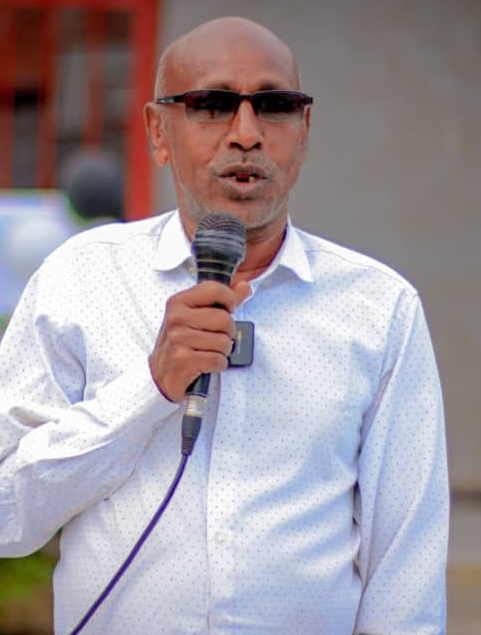
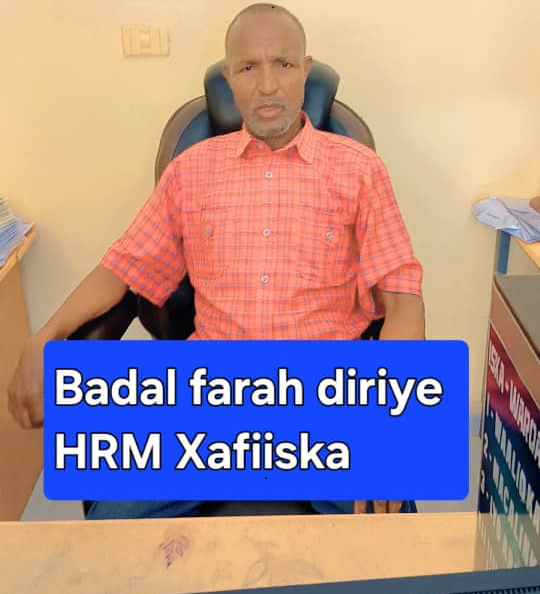
Zakariye Mahamud Gudal || Directorate of School Development and Supervision MMJ
The Directorate of School Development and Supervision (MMJ) is responsible for enhancing the quality, efficiency, and accountability of schools through systematic supervision, monitoring, and support. The directorate works to strengthen school leadership, promote effective teaching and learning practices, and ensure that schools meet national education standards.
Key functions include:
- Monitoring and evaluating school performance and improvement plans.
- Coordinating supervision activities to ensure equitable and quality education delivery.
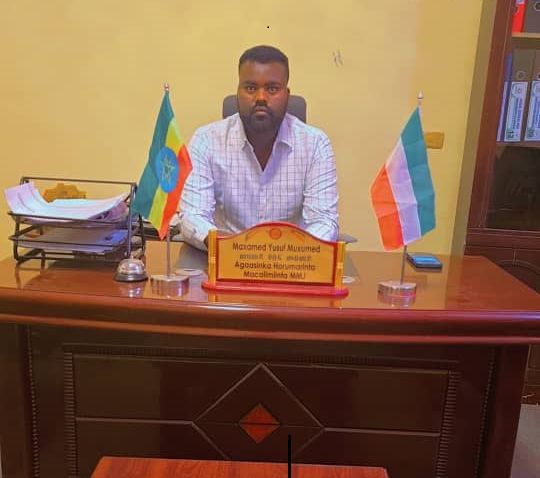
Mahamed Yusuf Mahamed
Advocacy for school teachers involves promoting and protecting the rights, welfare, and professional status of educators. It ensures that teachers receive the respect, support, and resources they need to perform their roles effectively.
Key Areas of Advocacy
- Professional Recognition::Promote the teaching profession as a vital pillar of national development and ensure teachers are valued as key contributors to education quality.
- Fair Compensation and Benefits:: Advocate for equitable salaries, timely payments, health insurance, and pension benefits.
- Continuous Professional Development:: Encourage access to ongoing training, workshops, and certification programs that enhance teachers’ skills and motivation.
- Teacher Voice in Policy::Ensure teachers are included in educational policy discussions, curriculum design, and school management decisions.
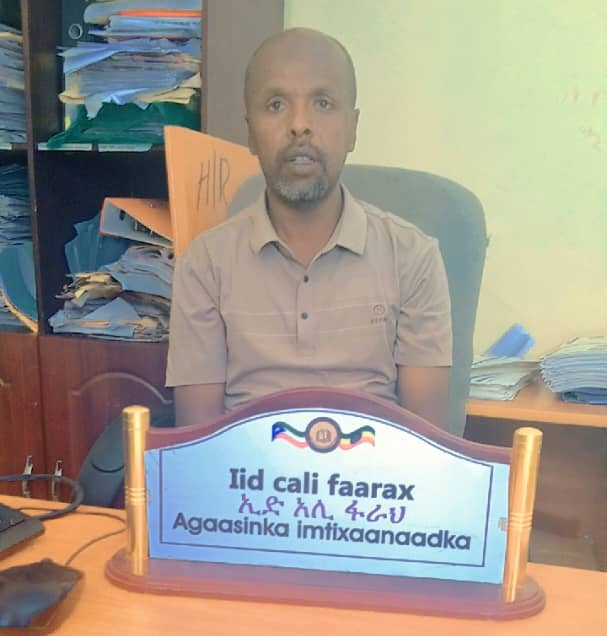
Iid Ali Farax
An anti-corruption campaign seeks to build a culture of integrity, accountability, and transparency in schools and institutions.
Main Objectives of the Campaign
- Promote honesty, fairness, and ethical values among students, teachers, and administrators.
- Ensure equal opportunity and merit-based systems in admissions, grading, and employment.
- Strengthen public trust in educational institutions.
- Prevent misuse of public funds and resources allocated to education.
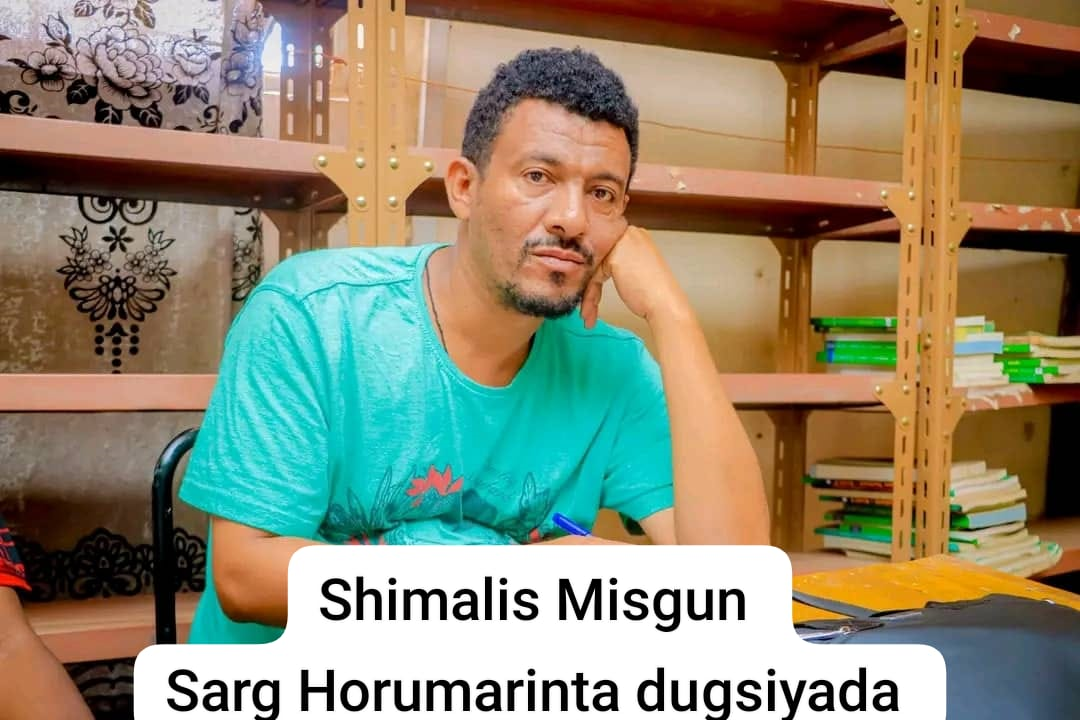
🏫 School Development Officer (SDO)
A School Development Officer (SDO) is an educational administrator responsible for supporting, monitoring, and improving the performance, infrastructure, and overall development of schools within a jigjiga councel.
Main Purpose
- To enhance the quality of education. hrough effective supervision, planning, and coordination of school development activities — ensuring that schools meet educational standards and community needs.
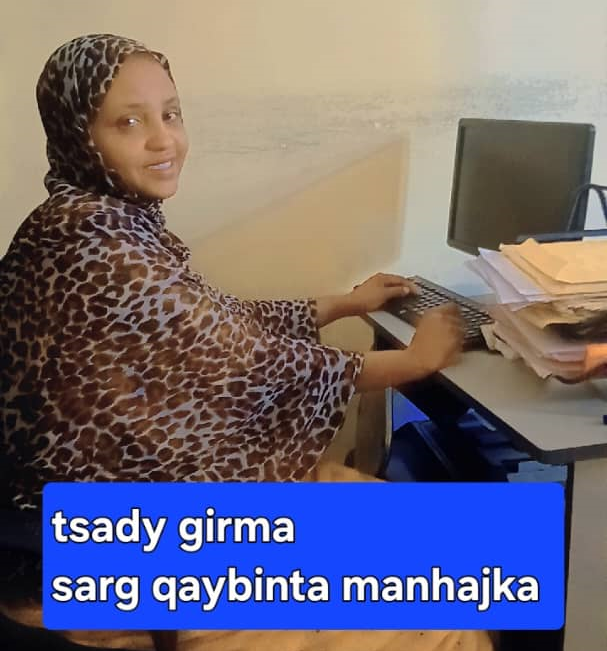
Tsday Girma
A Curriculum Division Officer (CDO) is an education professional responsible for designing, developing, implementing, and evaluating the school curriculum to ensure it meets national education standards and learner needs.
Main Purpose
- To promote quality education by ensuring that the curriculum is relevant, balanced, inclusive, and up to date — supporting effective teaching and learning at all grade levels.


Search
Recent Post
Directorate of School Development and Supervision MMJ.
Calendar 30 Oct 2025
School Development Officer (SDO)
Calendar 29 Oct 2025